Plastic molding is common in modern manufacturing, yet many factories face problems when choosing the right plastic type. Selecting the wrong material causes product defects, wasted molds, and higher production costs. The right choice ensures strength, precision, and reduced waste.
The best type of plastic for molding depends on the product’s application, durability, flexibility, and cost. Commonly used materials include ABS for strength, Polypropylene (PP) for chemical resistance, Polycarbonate (PC) for transparency, and Nylon for toughness. Each type has unique molding performance and end-use advantages.
Different molding projects require different plastics—understanding their properties helps you select the ideal one for your production.
1. ABS (Acrylonitrile Butadiene Styrene)
ABS is one of the most popular plastics in injection molding. Known for its strength, toughness, and glossy finish, it’s ideal for automotive parts, enclosures, and consumer electronics. ABS has excellent dimensional stability and resists impact even at low temperatures. However, it may not withstand high heat or UV exposure for long durations, so outdoor use requires additional treatment. For industries prioritizing design flexibility and strength, ABS remains a top choice.
2. Polypropylene (PP)
Polypropylene is a versatile and cost-effective thermoplastic. It offers outstanding chemical resistance, fatigue resistance, and low density, making it suitable for medical parts, packaging, and household items. PP also features good flow properties during molding, reducing cycle time and energy costs. However, it has limited UV and heat resistance, so it’s not the best for outdoor or high-temperature uses. Manufacturers often choose PP when they need lightweight, corrosion-resistant, and flexible molded parts.
3. Polycarbonate (PC)
Polycarbonate combines transparency with exceptional toughness. It’s widely used for electronic housings, safety helmets, optical lenses, and LED components. PC provides excellent heat resistance and impact strength, while maintaining optical clarity—making it a perfect replacement for glass in many industries. However, PC can be expensive and prone to scratching, which sometimes requires protective coatings. Still, for high-performance parts requiring transparency and strength, PC remains one of the best molding materials available.
4. Nylon (PA)
Nylon is favored for its mechanical strength, abrasion resistance, and self-lubricating properties. It’s often used in gears, bearings, and automotive components. Nylon resists wear and chemicals, providing excellent performance under load. However, it absorbs moisture, which can affect dimensional stability. To counter this, manufacturers often use nylon with additives or reinforcements such as glass fibers. For applications demanding durability and reduced friction, nylon delivers exceptional results.
5. Polyethylene (PE)
Polyethylene is one of the most widely used plastics due to its affordability and flexibility. It’s found in packaging films, containers, and toys. HDPE (High-Density Polyethylene) offers rigidity and impact resistance, while LDPE (Low-Density Polyethylene) provides flexibility and toughness. PE is easy to mold and recyclable, but it has limited high-temperature tolerance. Its versatility makes it an economical choice for mass production and consumer goods.
6. Polystyrene (PS)
Polystyrene is popular for products requiring clarity and easy molding, such as disposable cutlery, packaging, and models. It’s inexpensive and lightweight but relatively brittle compared to other plastics. PS melts easily and cools quickly, which helps achieve fast production speeds. However, its low impact resistance limits its use in heavy-duty or outdoor applications. Despite this, for low-cost, high-volume items, PS remains an efficient solution.
7. Choosing the Right Plastic for Your Application
The “best” plastic depends on your project’s priorities—strength, clarity, flexibility, or cost. For instance, automotive components often use ABS or nylon for toughness; packaging prefers PP or PE for chemical resistance and light weight; optical parts rely on PC for transparency. Before molding, engineers also consider the plastic’s flow rate, shrinkage, and temperature tolerance to ensure precise mold design and production quality. Selecting the right resin reduces waste, extends mold life, and guarantees performance consistency.
8. How Huangyan Sourcing Helps You Choose the Right Plastic
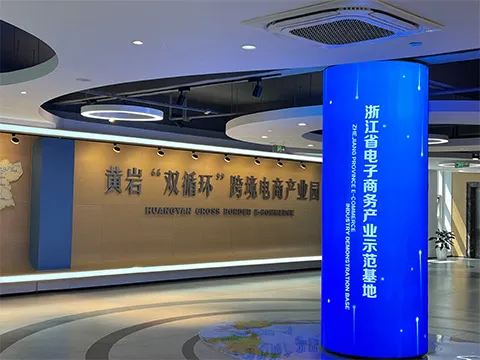
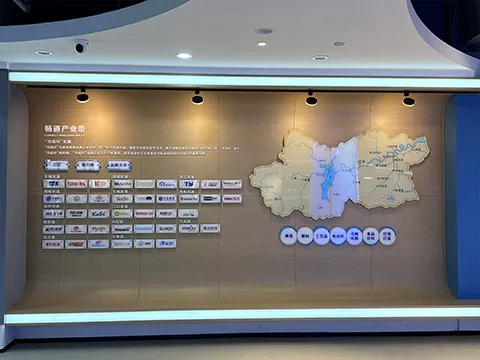
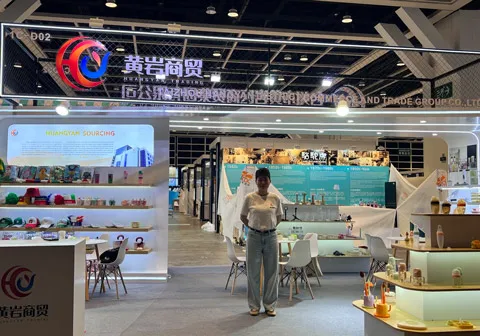
At Huangyan Sourcing, we specialize in plastic injection mold design, manufacturing, and material consulting. With years of experience in Taizhou’s mold industry hub, our engineers help clients identify the most cost-effective and performance-driven materials for their projects. We collaborate with certified resin suppliers, ensuring quality consistency and precise molding parameters. From prototype design to large-scale production, Huangyan Sourcing provides full support for custom plastic solutions—reducing production waste and maximizing efficiency.
Choosing the right plastic ensures quality, reduces costs, and improves mold performance.