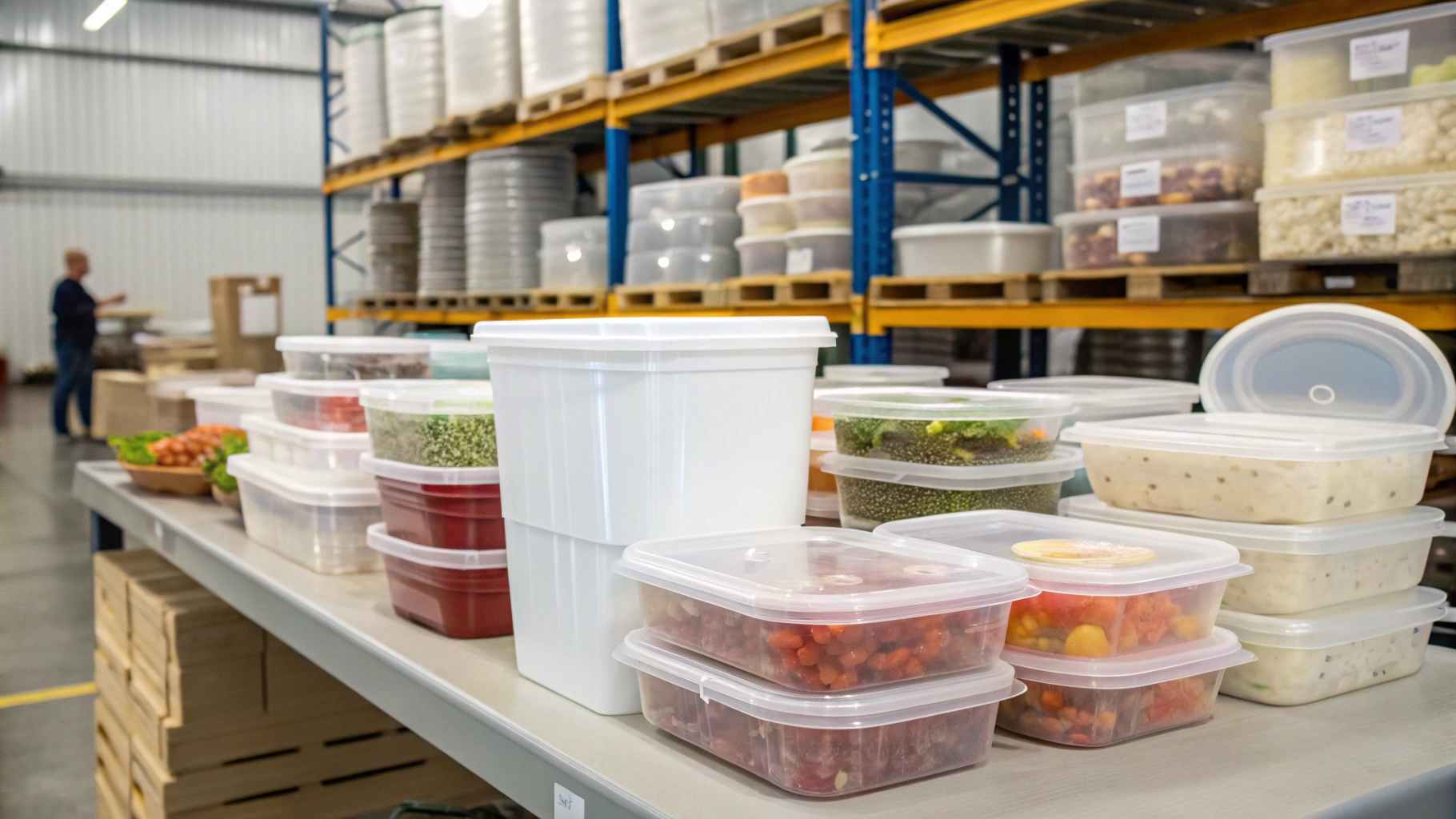
Poor-quality containers can leak, trap odors, and lead to returns; over time, that hurts your brand. The right supplier helps you balance quality, delivery, and cost.
The key factors in plastic food storage containers are food safety, sealing performance, durability, and customization. For B2B buyers, a mature supply chain and mold development capability are just as important.
Let’s look at why this product category remains valuable and what buyers should really focus on when sourcing from China.
Why Is Demand for Plastic Food Storage Containers Still Strong?
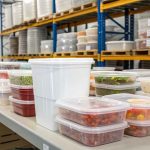
Plastic food storage containers remain one of the most established and practical categories in household products. They are used in home kitchens, food service, supermarkets, retail chains, e-commerce stores, and wholesale channels. Their long-term popularity comes from several simple advantages: they are lightweight, durable, easy to clean, and relatively cost-efficient to ship.
For B2B buyers, this category also offers strong expansion potential. A basic container line can easily grow into fresh-keeping boxes, lunch containers, refrigerator storage, pantry organization products, and stackable kitchen storage solutions. In other words, buyers are not just sourcing one item, but building a product line that can expand over time.
What matters today is that market expectations are changing. Buyers are no longer focused only on low prices. They also care about:
-
Food-contact safety
-
Reliable sealing
-
Retail-friendly appearance
-
Set combinations for better merchandising
-
Branding and custom packaging options
That is why a competitive supplier must offer more than standard products. Buyers increasingly need support in product development, customization, and long-term supply stability.
What Makes a Plastic Food Storage Container Suitable for the Market?
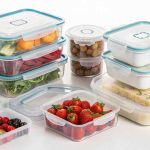
From the end user’s perspective, a good plastic food storage container must first solve practical problems. Most customers care about three things: whether it is safe for food, whether the lid closes properly, and whether it lasts in daily use.
1. Safe Materials
This is the foundation of the product. Food storage containers are usually made from food-contact plastic materials such as PP or PET, depending on the design and application. Buyers also prefer products that are odor-free, easy to wash, and stable in daily use. For importers selling into different markets, material compliance and consistent quality often matter more than a lower price.
2. Sealing and Structural Design
Customers quickly notice when a lid does not fit well. If the seal is weak or the structure feels unstable, complaints and returns are more likely. That is why strong products usually pay closer attention to:
-
Lid fit
-
Leak-resistant design
-
Stable stacking
-
Clean, uniform appearance
-
Multi-size combination options
3. Durability and Batch Consistency
For wholesalers, importers, and private label buyers, long-term value is not based on how attractive a sample looks. It depends on whether bulk production remains consistent. If containers crack easily, deform over time, or vary from batch to batch, the after-sales risk becomes much higher.
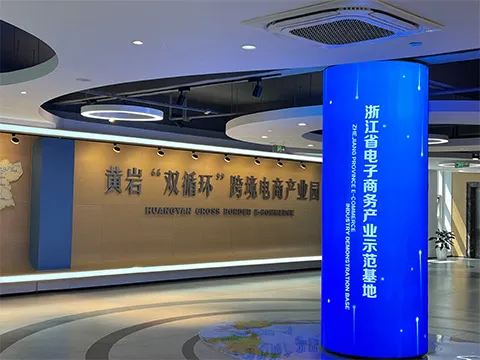
Why Do So Many Plastic Houseware Projects Naturally Lead to Huangyan?
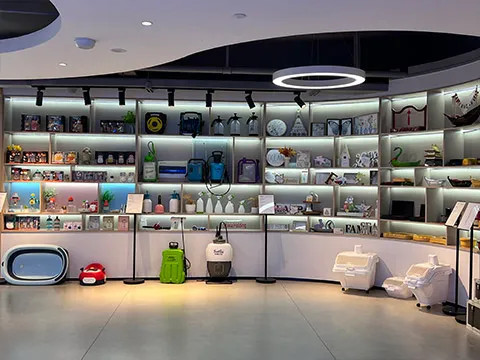
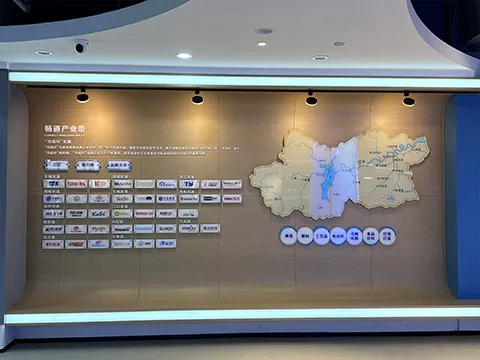
In China’s plastic houseware supply chain, Huangyan is a highly representative industrial area. It is not known simply because there are many factories. More importantly, it has built a solid foundation in mold development, plastic daily-use product manufacturing, sample making, and production coordination. Projects such as food storage containers, kitchenware, and household organizers often benefit from this kind of industrial environment.
For overseas buyers, the value of Huangyan is practical. When a project moves from concept to sample and then to mass production, success depends on more than just one factory. It requires a connected system that includes molds, materials, production, packaging, and quality control. Because these supporting resources are more concentrated in Huangyan, product development and supply coordination can often move more smoothly.
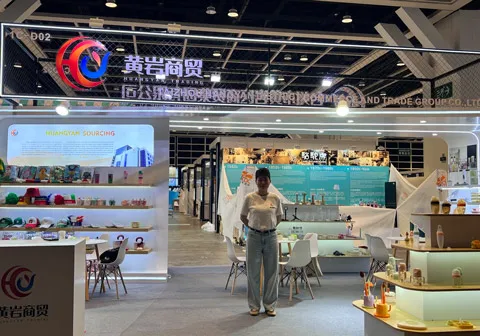
That is also why a company like HUANGYAN SOURCING can be introduced naturally through the strength of the local supply chain rather than through hard selling. What many buyers really care about is the capability behind the product: Can the supplier support fast sampling? Can it handle customization? Can it manage quality consistently? Can it integrate different resources into one sourcing solution? In this context, Huangyan becomes more than a place name—it represents a mature manufacturing ecosystem.
Why Are OEM and ODM Capabilities So Important for B2B Buyers?
For many importers and brand owners, buying plastic food storage containers is not just about placing an order for standard products. Many want their own packaging, colors, set configurations, or even new designs that fit their local market better. This is where OEM and ODM capability becomes essential.
With the support of Huangyan’s established plastics and mold industry base, HUANGYAN SOURCING is naturally positioned to contribute more value in these projects. It can connect food containers, kitchen products, plastic household goods, mold development, and customized sourcing into a more complete solution for B2B customers.
These capabilities usually include:
-
Custom sizes and shapes
-
Color and appearance development
-
Logo and packaging customization
-
Mold development and new sample creation
-
Integrated sourcing for multiple plastic houseware categories
For buyers building wholesale, e-commerce, or distribution businesses, this kind of capability is far more valuable than simply buying standard stock items, because it helps create product differentiation over time.
What Should Buyers Focus on When Sourcing Plastic Food Storage Containers?
When comparing suppliers, buyers should not focus only on quotations and catalog photos. The deeper capabilities matter more.
First, check whether the supplier is familiar with plastic houseware projects, especially categories such as food containers, kitchen storage, and daily-use plastic products. A supplier with a narrow product range may limit your future expansion.
Second, evaluate product development and order-following ability. B2B sourcing usually involves sample confirmation, size adjustments, packaging revisions, and delivery coordination. Communication efficiency directly affects project speed.
Third, pay attention to quality awareness. Plastic food storage containers are high-frequency-use products, so appearance, dimensions, lid matching, and bulk consistency all matter. A supplier suitable for long-term cooperation should be able to control quality in real production, not just offer an attractive price at the quotation stage.
For buyers looking for long-term sourcing solutions in China, working within an industrial base like Huangyan—together with a company such as HUANGYAN SOURCING that understands plastics, molds, and integrated sourcing—can make it easier to find a solution that balances development efficiency, stable quality, and one-stop support.
The right supplier makes your container business more stable, scalable, and sustainable.
Scing.