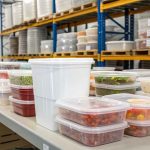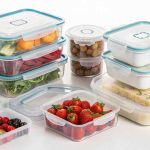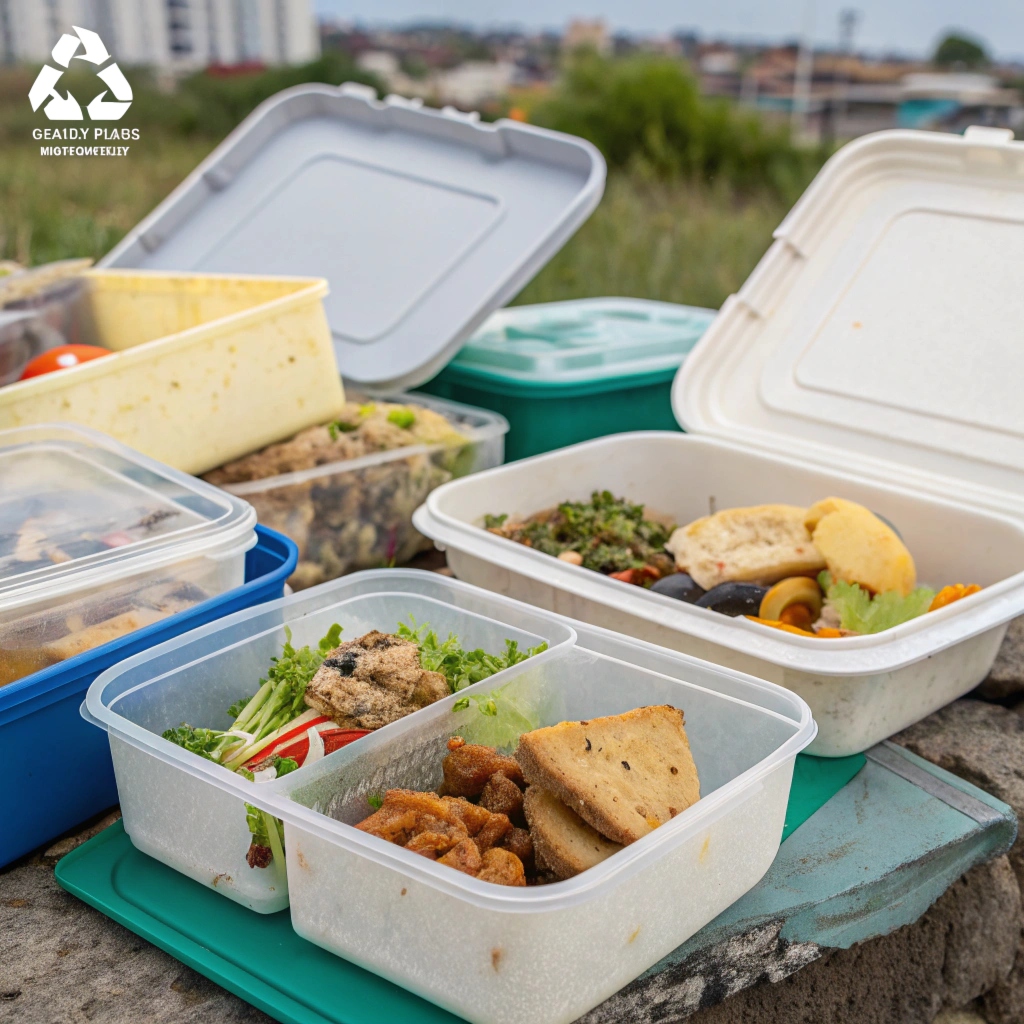
Plastic lunch boxes are widely used for daily meals, yet they generate growing waste and pollution.
If ignored, environmental damage escalates rapidly — understanding materials, lifecycle impact, and sustainable choices provides a practical solution.
Plastic lunch boxes raise environmental concerns due to fossil-based raw materials, carbon-intensive manufacturing, microplastic pollution, and low recycling efficiency.
Choosing durable designs, safer plastics, and responsible recycling practices can significantly reduce their environmental footprint while maintaining everyday convenience.
To make informed decisions, it is essential to examine how plastic lunch boxes affect the environment throughout their entire lifecycle.
Raw Materials and Resource Consumption
Most plastic lunch boxes are manufactured from polypropylene (PP), polyethylene (PE), or polystyrene (PS) — all derived from non-renewable fossil fuels.
Key environmental pressures at this stage include:
• High energy and water consumption during oil and gas extraction
• Greenhouse gas emissions from refining processes
• Long-term dependence on finite natural resources
As global demand for affordable food containers grows, upstream resource consumption continues to increase, intensifying environmental stress before manufacturing even begins.
Carbon Footprint of Manufacturing and Transportation
The production process itself is highly energy-intensive.
Plastic lunch boxes are typically formed through injection molding or thermoforming, both requiring sustained high temperatures and continuous electricity usage.
Major contributors to carbon emissions include:
• Fossil-fuel-based power grids
• High-volume, continuous production cycles
• Global shipping and long-distance logistics
Although plastic is lightweight, its global transportation network significantly offsets this advantage, adding to the overall carbon footprint.
Durability Versus Disposable Culture
Plastic is inherently durable, yet many lunch boxes are treated as short-term or disposable items.
Common reasons for premature disposal include:
• Odor retention
• Staining from food oils
• Cracking or warping from heat
When durability is sacrificed for low cost, plastic lunch boxes shift from reusable products to persistent waste, undermining their environmental potential.
Waste Management and Recycling Challenges
In theory, many lunch boxes are recyclable.
In reality, actual recycling rates remain low.
Key obstacles include:
• Food contamination
• Mixed materials (plastic bodies, silicone seals, composite lids)
• Limited local recycling infrastructure
As a result, large volumes of plastic lunch boxes are sent to landfills or incinerators, contributing to long-term pollution and greenhouse gas emissions.
Microplastics and Environmental Pollution
Daily use exposes plastic lunch boxes to heat, washing, and physical wear. Over time, this leads to material degradation and microplastic release.
Environmental risks include:
• Microplastics entering wastewater systems
• Accumulation in rivers, oceans, and soil
• Long-term presence in food chains
While lunch boxes are not the largest microplastic source, their widespread daily use makes their cumulative impact significant.
Health and Environmental Interconnection
Environmental sustainability is closely linked to human health.
Repeated exposure to heat, oils, and acidic foods can accelerate plastic degradation.
Benefits of higher-quality plastics include:
• Reduced material breakdown
• Longer product lifespan
• Lower replacement frequency
By extending usable life, better materials reduce waste while supporting safer everyday use.
Sustainable Design and Material Innovation
Manufacturers are increasingly adopting eco-design strategies to lower environmental impact.
Common improvements include:
• Mono-material construction for easier recycling
• Reinforced designs to extend durability
• Reduced material usage without sacrificing strength
In addition, recycled plastics and bio-based plastics are gaining adoption, offering lower carbon footprints when responsibly sourced and clearly labeled.
Responsible Consumer Behavior
Consumer choices strongly influence environmental outcomes.
Practical actions include:
• Reusing lunch boxes consistently over multiple years
• Avoiding unnecessary heat exposure
• Repairing minor damage instead of replacing products
Selecting lunch boxes made with recycled or recyclable materials also encourages manufacturers to invest in sustainable solutions.
Policy, Standards, and Industry Responsibility
Regulation plays a key role in shaping sustainable practices.
Effective measures include:
• Environmental material standards
• Restrictions on harmful additives
• Extended Producer Responsibility (EPR) policies
When regulation, responsible manufacturing, and informed consumers work together, the environmental footprint of plastic lunch boxes can be significantly reduced.
Durable design, responsible materials, effective recycling systems, and conscious daily use are essential to minimizing the long-term environmental impact of plastic lunch boxes.