Fragmented plastic processing and unreliable distribution cause quality issues, delivery delays, and compliance risks; adopting a structured processing and distribution model helps global buyers reduce risk and scale efficiently.
Plastic product processing and distribution describe the end-to-end system that transforms raw plastic materials into finished products and delivers them to global markets. This system includes material selection, molding, quality control, packaging, logistics, and export coordination. Its effectiveness directly determines cost efficiency, product consistency, and regulatory compliance for brands, importers, and distributors.
The following sections explain how plastic products are processed, distributed, and optimized through structured supply chain systems.
Definition & Scope
What Is Plastic Product Processing and Distribution?
Plastic product processing refers to converting raw polymer materials into functional plastic components or finished goods through controlled manufacturing methods.
Plastic product distribution covers packaging, warehousing, logistics coordination, and international delivery.
— This scope excludes unstructured trading activities that lack production control, quality accountability, or export execution capability.
Core Stages of Plastic Product Processing
Plastic processing begins with material selection (ABS, PP, PE, PC), chosen based on:
• performance requirements
• cost targets
• regulatory and compliance standards
Choosing the wrong material can result in durability failures, safety issues, or rejected shipments.
Key Processing Methods
• Injection molding → ideal for complex, high-volume products requiring consistency
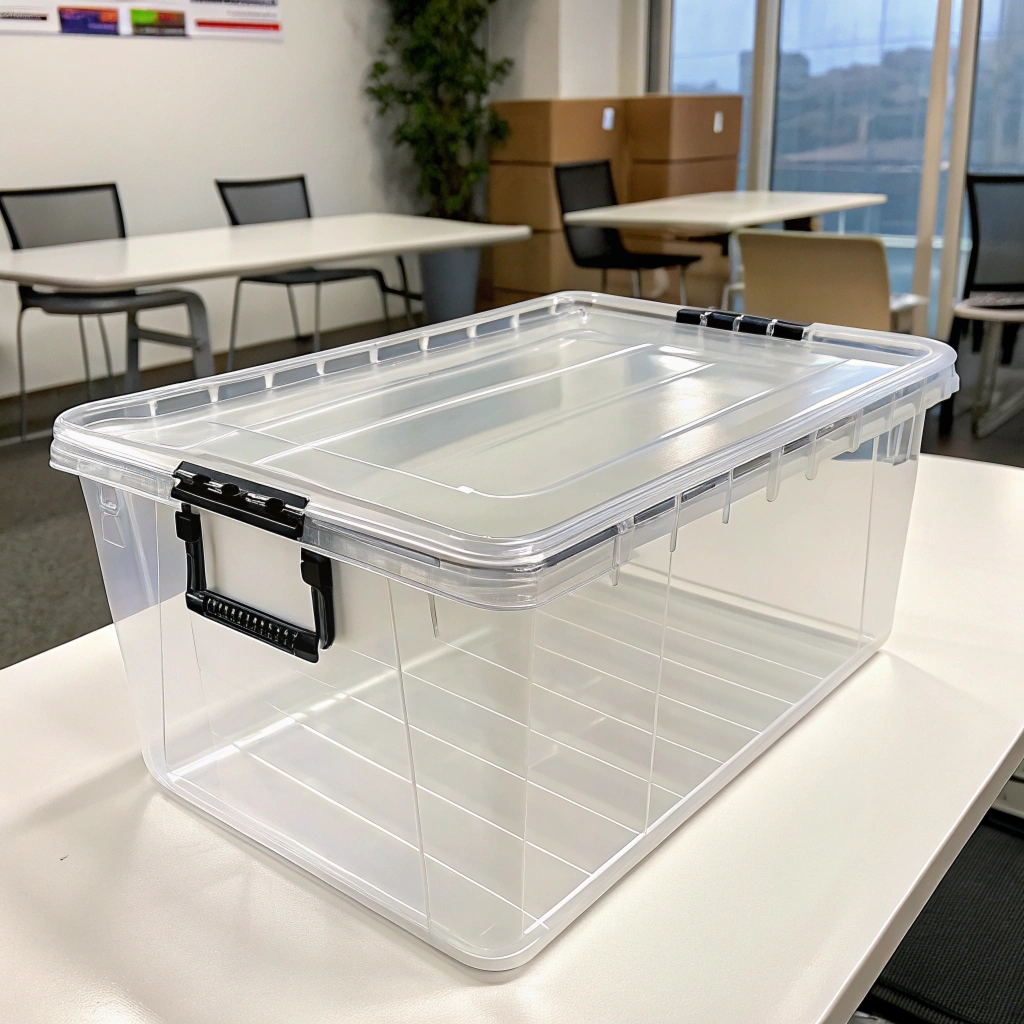
• Blow molding → used for hollow products such as containers
• Extrusion → suitable for continuous profiles like pipes and sheets
Each method requires precise control of temperature, pressure, and cycle time to ensure dimensional accuracy and surface quality.
Mold Development Matters
Mold design directly affects:
• cycle efficiency
• scrap rate
• tooling lifespan
• long-term production stability
Poor mold engineering often leads to frequent rework, inconsistent output, and rising unit costs.
Quality Control Within Plastic Processing
Quality control is not a single inspection step, but a continuous system.
• Incoming materials → composition and consistency verification
• In-process control → real-time monitoring to detect deviations early
• Final inspection → appearance, dimensions, functionality, and packaging
For export markets, additional compliance testing may be required to meet destination regulations.
Without structured QC, buyers face:
→ shipment rejection
→ customer complaints
→ costly recalls
These risks often far exceed any initial cost savings.
Plastic Product Distribution and Logistics
Distribution is the critical link between manufacturing and market.
Effective distribution includes:
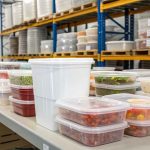
• protective and compliant packaging
• inventory and warehousing management
• shipping method selection
• export documentation and customs coordination
Poor coordination between processing and logistics often results in:
— delayed shipments
— damaged goods
— excess inventory and cash-flow pressure
Integrated planning aligns production output with shipping schedules, improving delivery reliability.
Common Challenges in Processing and Distribution
Buyers commonly face:
• inconsistent standards across factories
• limited production visibility
• underestimated compliance complexity
Different markets impose different material, labeling, and safety requirements.
Failing to address these early can lead to customs delays or rejected products.
Scaling production also introduces risk if systems and tooling are not designed for higher volumes.
How Structured Systems Reduce Risk
Structured processing and distribution systems unify manufacturing, QC, and logistics under a single framework.
Key advantages include:
• standardized operating procedures
• documented specifications
• defined inspection checkpoints
This delivers:
→ predictable lead times
→ stable quality
→ transparent communication
Allowing buyers to plan confidently and grow sustainably.
Why HUANGYAN SOURCING Fits This Model
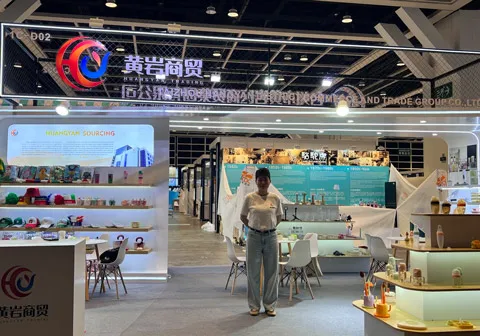
HUANGYAN SOURCING operates as a one-stop plastic sourcing and supply chain partner, integrating:
• mold development
• plastic product processing
• quality inspection
• export distribution
Instead of acting as a simple intermediary, HUANGYAN SOURCING coordinates verified factories under consistent standards, helping overseas brands, importers, and distributors:
→ reduce sourcing risk
→ control total cost
→ scale production efficiently
With strong experience in global logistics and compliance-oriented execution, HUANGYAN SOURCING ensures reliable delivery to international markets.
Reference website: https://huangyan.linkerr.cn/
Final Summary
Structured plastic processing and distribution systems are essential for quality consistency, cost control, and scalable global sourcing.