 Improper food containers may cause contamination, odors, and health risks. Poor material choices can damage brand trust.
 Choosing safe, high-quality plastic lunch boxes ensures hygienic storage and supports healthier eating habits.
 Plastic lunch boxes maintain food safety when made from food-grade materials, designed for easy cleaning, and used correctly. Selecting reliable manufacturers and following proper handling practices reduces contamination risks while supporting safe, healthy meals.
 Let’s explore practical, industry-backed tips to maintain food safety when using plastic lunch boxes.
 Understanding Food Safety Risks in Food Containers
Food safety is a growing concern for both consumers and B2B buyers. Whether used for meal prep, school lunches, takeout, or food packaging, lunch boxes directly contact food and must meet strict safety standards.
Common Risks
-
 Low-quality plastics releasing substances under heat
 -
Poor sealing causing leakage and contamination
-
Hard-to-clean corners leading to bacterial growth
Low-grade materials may create safety concerns, especially when exposed to hot or oily foods. This is why selecting food-grade certified plastics is essential for long-term use.
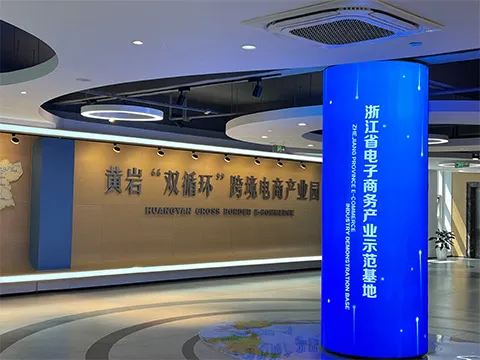
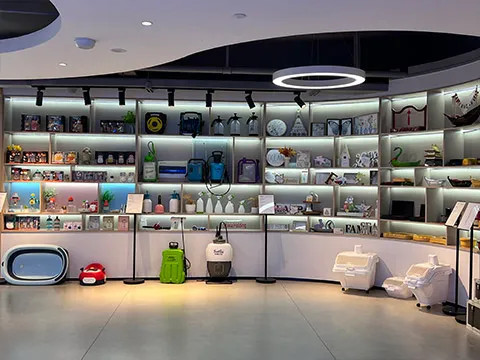
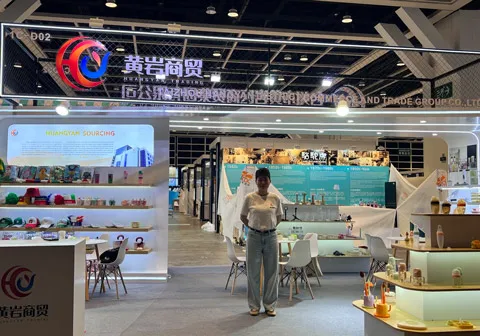
 Structural design also matters. Containers with rough surfaces or weak sealing systems can trap food residue, increasing hygiene risks. Companies like Huangyan Sourcing focus on precision mold development, creating smooth inner surfaces and reliable sealing structures that improve cleanliness and reduce contamination chances.
 Food safety is not just about material — it’s a combination of design, manufacturing quality, and correct usage.
 Choosing Food-Grade Materials for Plastic Lunch Boxes
Material selection is the foundation of safe food storage. Not all plastics are suitable for direct food contact, so understanding differences is important for importers and distributors.
Polypropylene (PP)
Heat-resistant Durable for repeated use Chemically stable Microwave-friendly
PP is one of the safest and most widely used materials for reusable lunch boxes, making it ideal for global markets.
PET Material
High transparency Widely recyclable Suitable for cold food storage
PET is often used for takeaway or retail packaging but is generally not recommended for high-temperature applications.
 BPA-Free Materials
Many buyers prefer BPA-free options to meet market expectations. Clear material labeling improves consumer confidence and supports brand positioning.
At Huangyan Sourcing, material selection is based on target market requirements, helping clients meet local food-contact regulations while ensuring safety and durability.
Tip for B2B buyers: Always request material certifications and compliance documents before sourcing.
 Design Features That Improve Hygiene and Food Safety
Good design directly improves hygiene by making containers easier to clean and safer to use.
 Leak-Proof Sealing
-
Prevents spills during transportation
-
Reduces external contamination
-
Maintains food freshness
 Smooth Inner Surfaces
Precision molds create seamless interiors that prevent food from sticking, making cleaning easier and reducing bacterial growth.
 Compartment Design
Separated sections help:
-
Keep foods fresh
-
Avoid flavor mixing
-
Reduce cross-contamination
 Durability Matters
High-quality lunch boxes resist cracking and deformation after repeated washing. Damaged containers may trap bacteria or compromise food safety, so durability is essential.
With advanced mold engineering, Huangyan Sourcing helps brands create ergonomic, hygienic designs that balance safety, usability, and production efficiency — key factors for modern B2B buyers.
 Best Practices for Safe Daily Use of Plastic Lunch Boxes
Even the safest container requires proper daily handling to maintain hygiene.
Cleaning Tips
-
Wash after every use
-
Use warm water + mild detergent
-
Fully dry before storage
Safe Heating Practices
Avoid overheating beyond recommended temperatures. Following manufacturer guidelines protects both food safety and product lifespan.
Replace When Necessary
Replace containers if you notice:
-
Cracks
-
Discoloration
-
Persistent odors
These signs may indicate material degradation or bacterial buildup.
Smart Food Storage
-
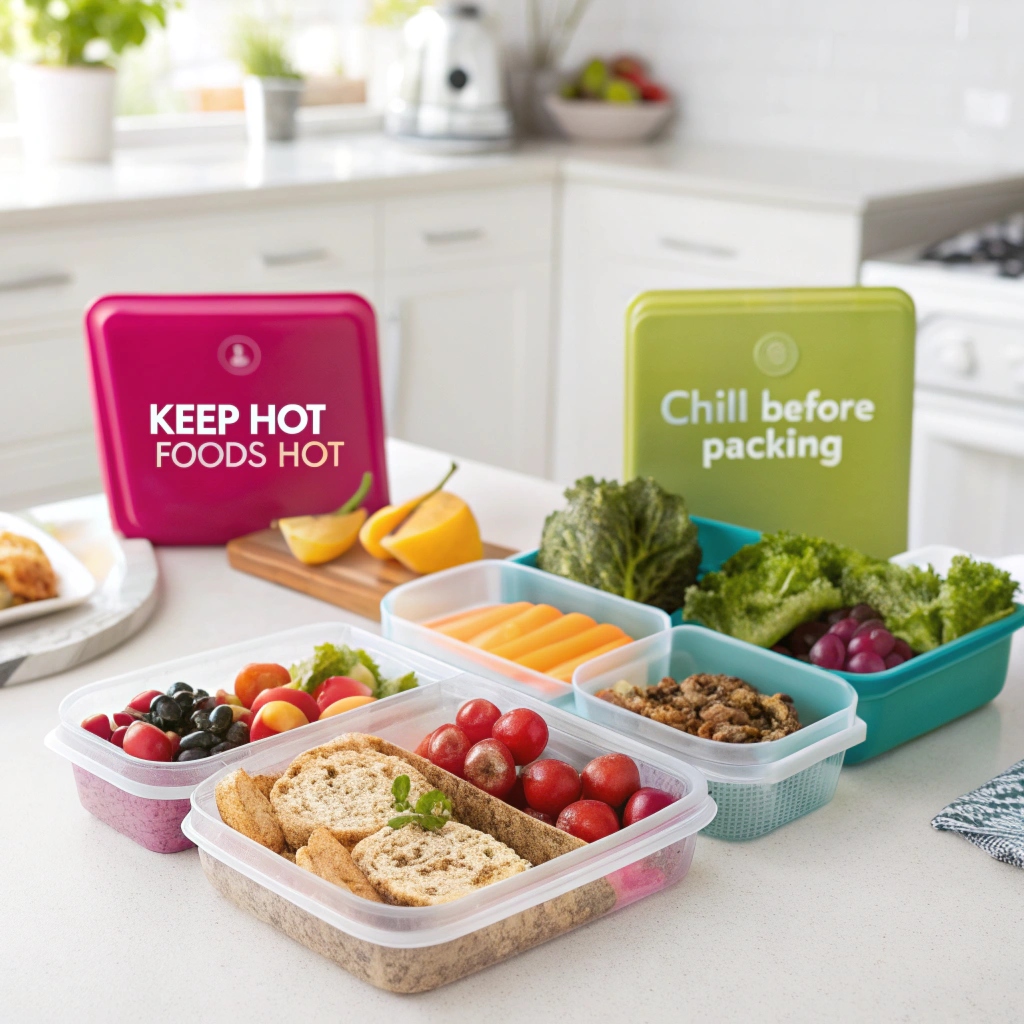
Let hot food cool slightly before sealing
-
Avoid leaving perishable foods at room temperature too long
For B2B suppliers, including simple usage instructions can reduce customer misuse and improve satisfaction.
 Working with experienced manufacturers like Huangyan Sourcing ensures lunch boxes are designed for safe, practical, everyday use.
 Conclusion
 Food-grade materials, hygienic design, and proper daily use make plastic lunch boxes a safe, practical solution for healthy eating.