Choosing the wrong lunch box leads to leaks, odors, and unsafe food storage. These problems waste meals and money. The right plastic lunch box solves safety, durability, and convenience issues.
To choose the right plastic lunch box, consider food-grade material, leakproof design, heat resistance, size, compartments, and ease of cleaning. BPA-free plastics, airtight lids, and microwave-safe construction ensure safe daily use. Evaluate capacity based on portion needs and select durable models designed for schools, offices, or outdoor use.
Understanding key features helps you confidently select a lunch box that matches your lifestyle and food habits.
1. Consider the Material: Safety Comes First
When choosing a plastic lunch box, the first and most important factor is material safety. High-quality lunch boxes are typically made from food-grade polypropylene (PP), Tritan, or other BPA-free plastics. These materials do not leach harmful chemicals into food, even when exposed to warm dishes or daily wear.
PP is widely used because it offers excellent chemical resistance, is lightweight, and can handle moderate heat. Tritan plastic is a premium option—crystal clear, odor-resistant, and exceptionally durable. For individuals who store acidic foods like tomatoes, citrus, or vinegar-based recipes, Tritan is especially beneficial because it won’t absorb smells or discolor.
Some cheap plastics become brittle over time, crack easily, or warp in the microwave. A reliable lunch box will clearly display markings such as food safe, BPA-free, microwave-safe, and dishwasher-safe. These certifications ensure long-term safety and user confidence. Considering material quality at the start prevents health risks, unwanted odors, and frequent replacements.
2. Leakproof and Airtight Design
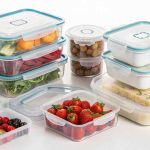
If you bring soups, curries, or sauces to work or school, choosing a leakproof plastic lunch box is essential. A well-designed box features silicone sealing rings, snap-lock latches, and pressure-resistant lids. These elements prevent spills in backpacks, handbags, and car seats.
Airtightness also keeps food fresher for longer by preventing moisture and outside air from entering. This is especially valuable for cut fruits, salads, or meal-prep boxes used over multiple days. Without a proper seal, food can spoil faster, lose crispness, or develop unwanted odors.
Some lunch boxes offer multi-layer insulation or pressure-venting caps to handle hot meals without lid deformation. Others include stackable compartments to separate dry and wet foods. Choosing a lunch box with the right sealing structure ensures convenience and peace of mind during transport.
3. Microwave and Dishwasher Compatibility
Modern lifestyles require convenience, and a high-quality plastic lunch box should support both microwave reheating and dishwasher cleaning. Look for containers labeled microwave-safe, meaning they can withstand heat without leaking chemicals or becoming misshapen.
Microwave-safe lids may include steam-release valves, allowing safe reheating without causing pressure buildup. For busy professionals or students, this feature is extremely useful—no need to remove the lid entirely.
Dishwasher-safe construction is equally important. Smooth interior surfaces and rounded corners help prevent food residue from sticking. Boxes with removable silicone seals allow thorough cleaning, reducing the chance of bacteria buildup. A lunch box that supports both microwave and dishwasher use improves daily efficiency and simplifies long-term maintenance.
4. Size and Capacity Based on Lifestyle
Lunch boxes come in various sizes, from compact 400ml containers to multi-layer 1500ml bento-style sets. Your ideal size depends on your daily eating habits and meal type.
For adults with full meals, a 900–1200ml container provides enough space for rice, protein, and vegetables. Children may prefer smaller, lightweight boxes that fit into school bags without adding unnecessary weight. For meal prepping, multi-day containers with portion-control compartments help maintain balanced nutrition.
Consider where you will carry the lunch box—office bags, backpacks, or cooler bags. Ensure the chosen size fits comfortably and aligns with your meal volume.
5. Compartments and Meal Organization
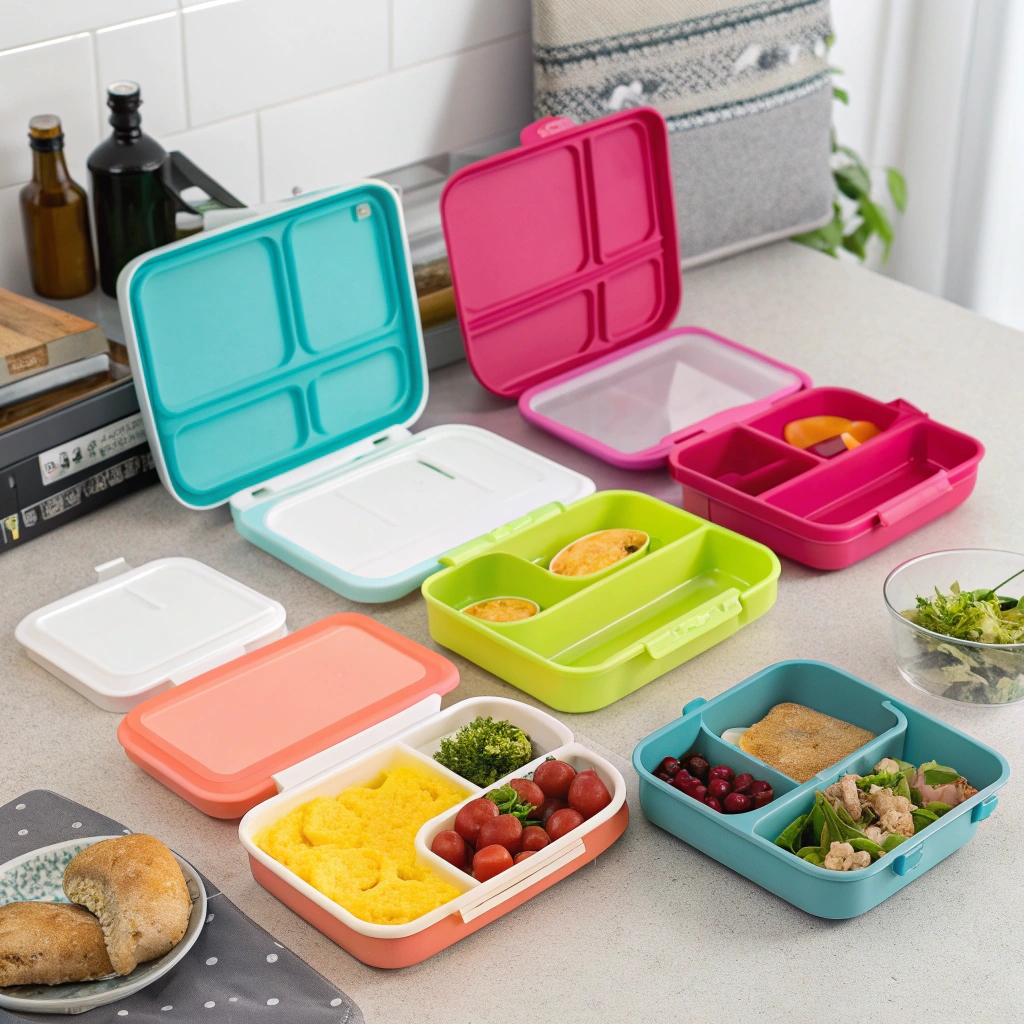
A well-organized lunch improves meal experience and encourages healthier eating. Multi-compartment lunch boxes are ideal for users who pack multiple items, such as snacks, salads, dressings, and cooked dishes. They prevent flavors from mixing and keep textures fresh.
Bento-style boxes are particularly popular because they include separate sections for different foods. Some designs offer removable inserts or snack cups for yogurt, sauces, or fruits. People who meal-prep often prefer divided containers because they simplify portion control and maintain consistent meal proportions.
If you frequently pack sandwiches or bakery items, look for wider compartments to avoid squishing food. For liquid dishes like soups, choose separate leakproof side containers. The right compartment layout enhances convenience and encourages more organized meals.
6. Durability and Long-Term Use
A durable lunch box withstands daily use, temperature changes, and occasional drops. Thick-wall construction and high-grade plastics maintain structural integrity over months or years. Reinforced lids, sturdy hinges, and snap-lock clips ensure the lunch box won’t break or loosen easily.
For outdoor workers or travelers, shock-resistant designs or double-layer plastic walls add extra durability. If you often bring hot meals, heat-resistant plastics that maintain shape under high temperatures are necessary. Investing in durability reduces long-term cost and minimizes frequent replacements.
Summary
Choose a lunch box with safe materials, good sealing, proper size, and convenience features to match your daily needs.