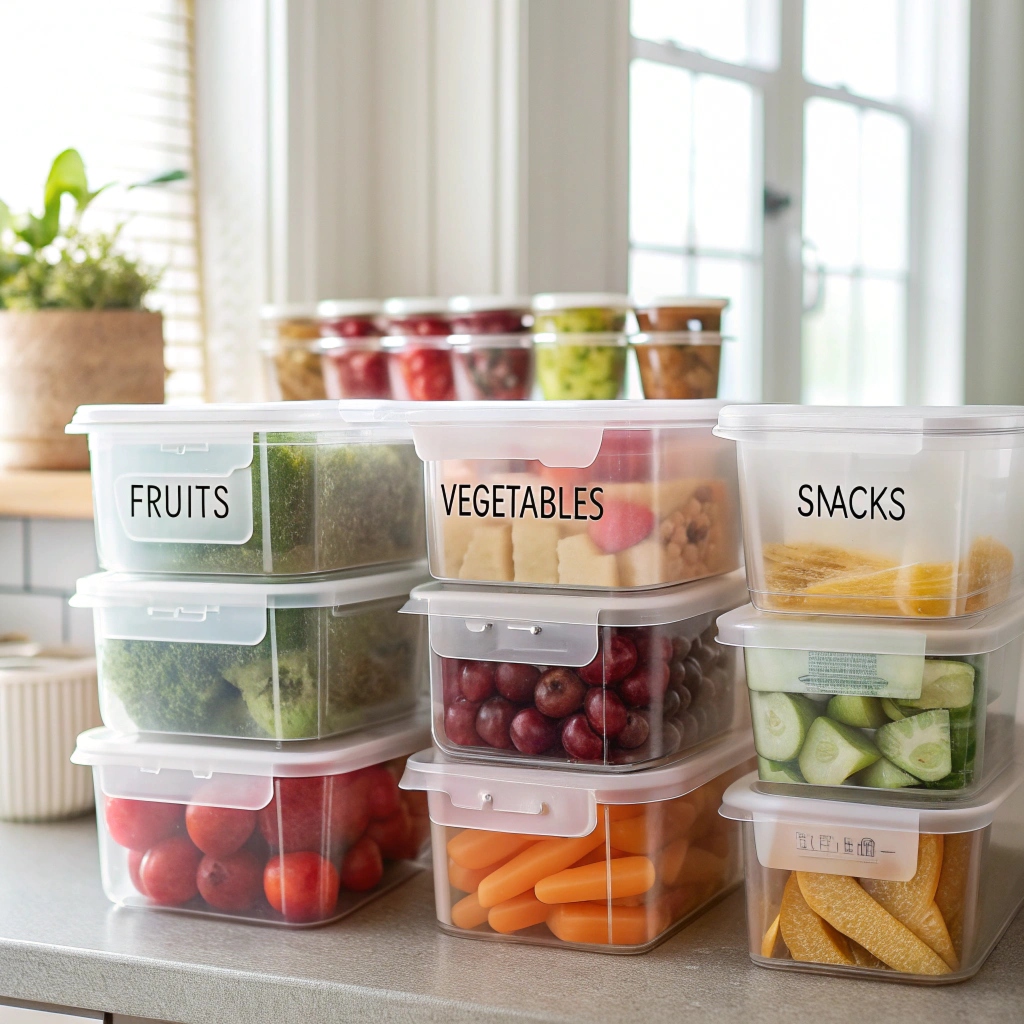
Many food brands struggle with plastic food box sustainability, facing rising costs, environmental pressure, and customer distrust. Poor packaging choices lead to regulatory risks and lost sales. Sustainable innovations now offer reliable, eco-friendly solutions.
Sustainable plastic food boxes are evolving through recyclable materials, biodegradable polymers, lightweight designs, and closed-loop systems, helping food brands reduce environmental impact, comply with regulations, and meet modern consumer expectations without sacrificing safety, durability, or cost efficiency.
This evolution reshapes packaging strategies and creates new competitive advantages for food manufacturers, retailers, and global distributors worldwide.
From Traditional Plastic to Sustainable Solutions
Plastic food boxes were originally designed with one primary goal: maximum convenience at minimum cost. Early packaging focused on durability, transparency, and moisture resistance, making polypropylene (PP), polystyrene (PS), and PET dominant materials. While effective, these plastics created massive waste streams and long-term pollution.
As landfill pressure increased and marine pollution became a global concern, governments and consumers demanded change. Regulations on single-use plastics began emerging across Europe, North America, and Asia. In response, manufacturers started rethinking material selection, production processes, and end-of-life management.
Today’s sustainable packaging movement emphasizes reduction, reuse, and recycling. Lightweighting techniques minimize material usage, while improved molding technology maintains strength. This shift marks the first major step in transforming plastic food boxes into environmentally responsible products.
Innovation in Eco-Friendly Materials
Material innovation lies at the heart of sustainable plastic food box development. Traditional petroleum-based plastics are gradually being replaced or supplemented by greener alternatives.
One major breakthrough is recycled plastic (rPET and rPP). These materials reuse post-consumer waste, significantly reducing carbon emissions and raw material consumption. Many leading brands now produce food boxes with over 50% recycled content while maintaining food safety standards.
Another advancement is biodegradable and compostable plastics, such as PLA (polylactic acid) derived from corn or sugarcane. These materials break down under industrial composting conditions, offering an alternative for specific food service applications.
Additionally, bio-based polymers and hybrid materials combine plant-based content with traditional plastics, balancing performance and sustainability. These innovations allow manufacturers to customize packaging based on shelf life, temperature resistance, and recycling infrastructure.
Design Optimization for Environmental Impact
Sustainable packaging is not only about materials—it is also about intelligent design. Modern plastic food boxes are engineered to minimize waste throughout their lifecycle.
One important strategy is structural optimization. Advanced CAD modeling and simulation enable engineers to reduce wall thickness while maintaining load-bearing capacity. This lightweight design lowers transportation emissions and reduces material consumption.
Stackable and modular designs further improve logistics efficiency. By maximizing container density in shipping and storage, companies reduce fuel usage and warehouse space requirements.
Another trend is mono-material design, which avoids mixing different plastics. Single-material packaging improves recyclability because sorting and processing become easier. Clear labeling and standardized resin codes also support recycling systems.
Through smart design, plastic food boxes now contribute less waste and offer better resource efficiency.
Circular Economy and Closed-Loop Systems
The concept of a circular economy has reshaped sustainable packaging strategies. Instead of following a “make–use–dispose” model, manufacturers now aim for closed-loop systems.
In these systems, used plastic food boxes are collected, cleaned, recycled, and converted into new packaging. Large food chains and retailers increasingly partner with recycling companies to establish take-back programs.
Digital tracking, QR codes, and blockchain technology are being introduced to monitor packaging lifecycles. This improves transparency and encourages responsible disposal.
Closed-loop recycling not only reduces environmental impact but also stabilizes raw material costs. For manufacturers, it creates long-term supply security and enhances brand reputation among eco-conscious buyers.
Compliance, Certification, and Global Standards
Sustainable packaging must meet strict regulatory and safety requirements. Governments worldwide are implementing extended producer responsibility (EPR) laws, carbon reporting obligations, and plastic taxes.
To remain competitive, manufacturers align their products with international standards such as:
-
FDA and EU food-contact regulations
-
ISO environmental management systems
-
Global Recycled Standard (GRS)
-
BRCGS packaging certification
Certification demonstrates credibility and builds trust with global buyers. It also simplifies export procedures and reduces compliance risks in regulated markets.
For B2B suppliers, certified sustainable plastic food boxes become a powerful selling point in international trade.
Market Demand and Consumer Behavior
Consumer perception plays a critical role in the evolution of sustainable packaging. Today’s buyers actively evaluate packaging when choosing food products. Surveys show that customers are more likely to support brands using recyclable or biodegradable containers.
Transparency is key. Clear messaging about recycled content, carbon reduction, and environmental responsibility strengthens brand loyalty. Many companies now include sustainability information directly on packaging labels.
In food delivery and takeaway markets, eco-friendly packaging has become a differentiator. Restaurants and meal kit providers use sustainable plastic boxes to attract environmentally conscious customers and justify premium pricing.
As awareness continues to grow, demand for sustainable solutions will only increase.
Future Trends in Plastic Food Box Packaging
The future of sustainable plastic food boxes lies in advanced materials, digital integration, and smart manufacturing. Research into enzyme-degradable plastics, ocean-recovered polymers, and carbon-negative materials is accelerating.
Artificial intelligence and Industry 4.0 technologies are optimizing production efficiency, reducing waste, and improving quality control. Smart packaging with freshness indicators and traceability features is also emerging.
Meanwhile, global collaboration between governments, brands, and recyclers will strengthen infrastructure and improve collection rates. These developments will push sustainable packaging from optional to essential.
Companies that invest early in innovation and sustainability will gain long-term competitive advantages in global food packaging markets.
Sustainable plastic food boxes represent not just an environmental solution, but a strategic business opportunity for forward-thinking manufacturers.
Conclusion
Sustainable plastic food boxes combine innovation, compliance, and circular design to reduce environmental impact, enhance brand value, and support long-term growth in modern food packaging.