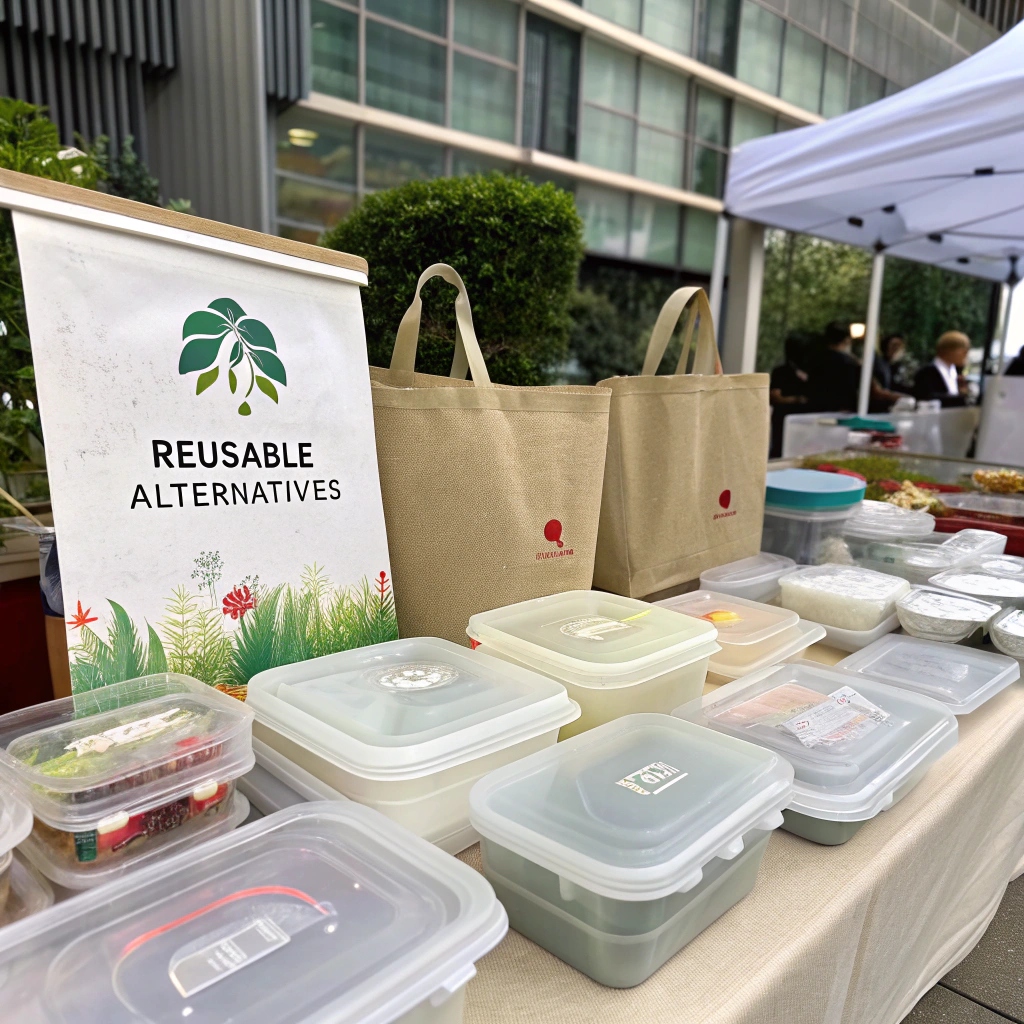
Choosing the wrong plastic lunch box can contribute to pollution, health risks, and constant waste. This leads to long-term environmental harm and unnecessary replacement costs. The solution is learning how to select eco-conscious plastic lunch boxes that balance safety, durability, and sustainability.
Eco-friendly plastic lunch boxes minimize waste, reduce environmental impact, and use safer, more sustainable materials. Choosing recyclable, BPA-free plastics and long-lasting designs helps consumers reduce pollution while ensuring safe daily food storage.
Sustainable lunch box choices require understanding materials, recycling options, and long-term environmental effects.
A responsible lunch box choice benefits your health, the planet, and your long-term cost.
Why Plastic Lunch Boxes Raise Environmental Concerns
Plastic lunch boxes are widely used because they are lightweight, durable, and affordable—but they also contribute to several environmental problems. One of the biggest concerns is that many plastic containers are made from petroleum-based materials, which are non-renewable resources. Manufacturing them requires significant energy, and the production process releases greenhouse gases. With millions of plastic lunch boxes produced each year, this impact accumulates rapidly.
Another issue is plastic waste. When a lunch box cracks, absorbs odors, or stains, many people throw it away rather than recycling it. Unfortunately, not all plastics used for food containers are accepted by local recycling facilities. Materials such as mixed plastics or low-grade polymers often end up in landfills, where they may take hundreds of years to decompose. During this long breakdown process, they release microplastics that contaminate soil, water, and eventually the food chain.
Additionally, improper disposal—such as littering—results in plastic entering rivers and oceans. Marine animals may ingest the debris or become entangled in it, causing injury or death. These long-term ecological consequences underline the importance of choosing environmentally responsible lunch boxes.
Eco-Friendly Plastic Materials You Should Consider
Not all plastics are harmful, and environmentally conscious alternatives are now widely available. One of the most popular sustainable materials is PP (Polypropylene), often marked with recycling code #5. PP is lightweight, durable, reusable, and accepted by many recycling systems. It is also resistant to chemicals and heat, making it safe for food storage.
Another material to consider is Tritan, a BPA-free and highly durable plastic created to mimic the clarity of glass. Tritan is known for its long lifespan, meaning you won’t need to replace your lunch box frequently. A longer lifespan directly reduces waste and minimizes environmental impact.
Recycled plastics (rPET) also offer an eco-friendly alternative. These products are made from recycled water bottles and other post-consumer materials, lowering demand for new plastic production. While not always suitable for high-temperature food storage, rPET lunch boxes are excellent for cold meals, fruits, and snacks.
Lastly, bioplastics—such as those made from corn or sugarcane—have entered the market. Although these materials provide renewable alternatives, their environmental benefits depend on disposal conditions. Some bioplastics require industrial composting facilities, which may not be available everywhere. This is why understanding disposal requirements is crucial when choosing bioplastic containers.
Longevity and Reusability: The Most Important Environmental Factor
When assessing environmental impact, the number one factor is how long the lunch box lasts. A durable lunch box that can be reused for years is far more eco-friendly than a “green” material that breaks easily and requires frequent replacement. High-quality plastic containers often outperform low-cost biodegradable options in terms of durability.
Choosing products with reinforced hinges, thick walls, and high heat resistance reduces the likelihood of cracking or warping. Multi-compartment designs also eliminate the need for disposable packaging such as plastic wrap, snack bags, or single-use containers. This further reduces daily waste.
In many cases, the most sustainable lunch box is not the one with the “greenest” label—but the one that replaces hundreds of disposable containers over time.
How to Properly Dispose of or Recycle Plastic Lunch Boxes
Even the best plastic lunch box will eventually reach the end of its life. To minimize environmental impact, it’s essential to dispose of it correctly. Start by checking the recycling symbol (usually #1–#7). Plastics like PP (#5) and PET (#1) are widely accepted in recycling programs, while PVC (#3) and some mixed plastics may not be.
You should also clean the lunch box before disposing of it. Dirty or food-contaminated items are often rejected by recycling facilities and sent directly to landfills. If your local recycling program doesn’t accept certain plastics, consider alternative disposal methods such as:
- Donating containers still in good condition
- Repurposing them for storage, craft supplies, or organization
- Using specialized recycling programs that accept hard-to-recycle plastics
Responsible disposal ensures that usable materials are kept within the circular economy instead of becoming waste.
Practical Tips for Choosing an Environmentally Friendly Plastic Lunch Box
To make an informed decision when buying a plastic lunch box, keep the following practical tips in mind:
- Select BPA-free, food-grade materials (PP, Tritan, rPET).
- Choose durable, long-lasting designs with solid construction.
- Opt for microwave-safe and dishwasher-safe containers to encourage reuse.
- Consider size and compartments to reduce reliance on disposable packaging.
- Check recyclability codes before purchasing.
- Avoid cheap, flimsy lunch boxes that crack easily.
- Look for brands using recycled materials or eco-friendly manufacturing.
These steps help you minimize environmental impact while ensuring practical daily use.
The Environmental Benefits of Making Better Choices
Choosing a sustainable plastic lunch box results in multiple long-term benefits:
- Lower carbon emissions from fewer replacements
- Reduced plastic waste entering landfills or oceans
- Safer materials for your food and health
- Support for responsible manufacturers
- Contribution to global sustainability efforts
Small decisions—such as your choice of lunch box—can have a significant environmental impact when multiplied across millions of consumers.
Choose durable, recyclable lunch boxes to reduce waste and protect the environment responsibly.