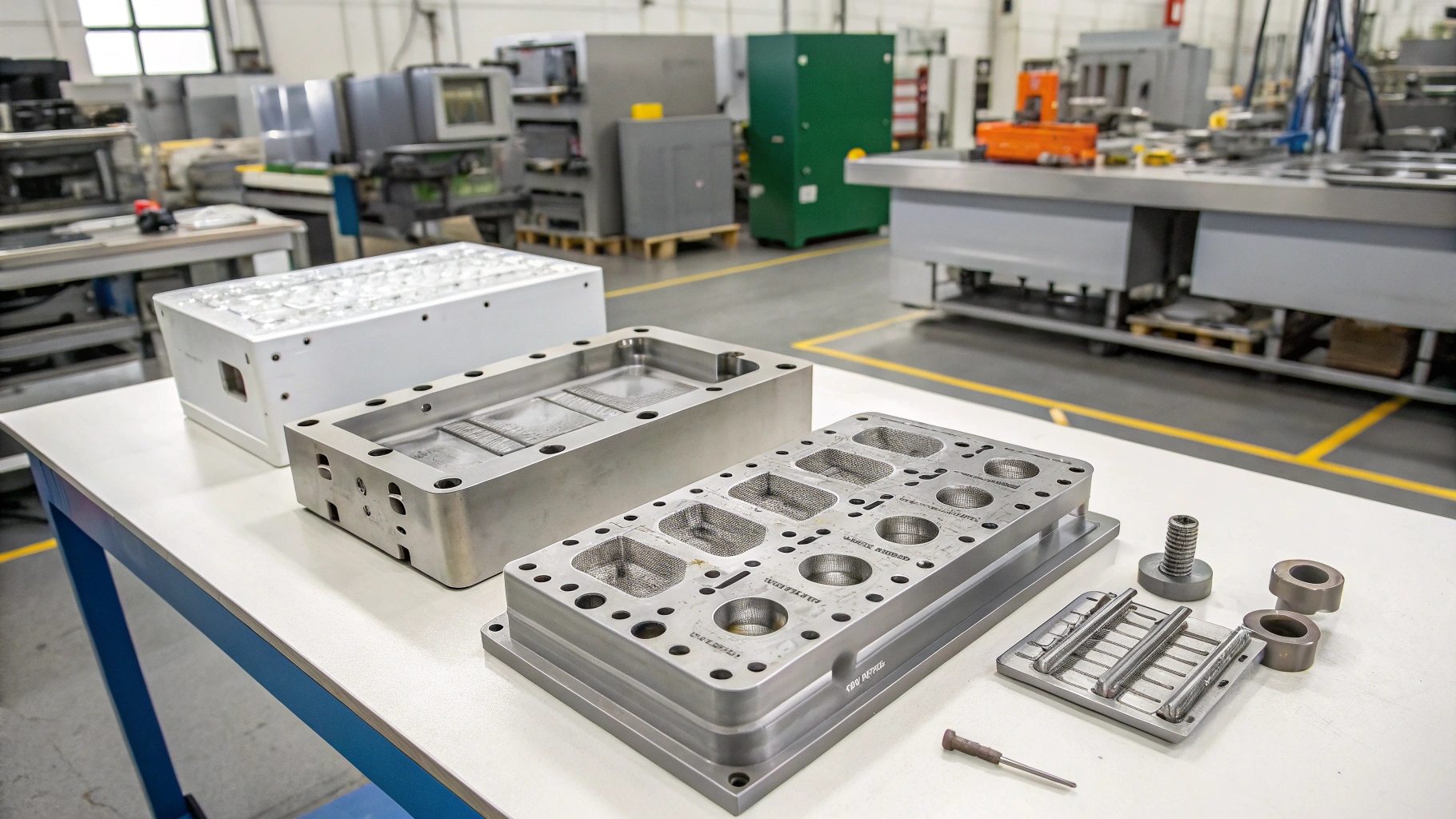
Modern manufacturers face increasing pressure to reduce material waste in injection molding. Excess scrap raises production costs and harms sustainability. The solution lies in precision mold design that optimizes material flow, cooling, and ejection.
Injection molds minimize waste through optimized gate placement, balanced runner systems, uniform wall thickness, and precision cooling channels. These ensure consistent filling, fewer defects, and reduced regrind. Simulation tools predict material flow, improve part geometry, and optimize efficiency—cutting costs while supporting sustainability.
Keep reading to learn how smart mold design choices create a more sustainable and cost-efficient production process.
1. Optimize Gate and Runner Design
Gate and runner design directly affects material efficiency. Poor gate placement leads to uneven filling, short shots, or flashing that must be trimmed and discarded.
By positioning gates near thicker areas and using a balanced runner system, material flows uniformly and packing pressure stays even.
Hot runner systems eliminate cold sprues, reducing solidified waste between cycles. This not only saves resin but also minimizes manual trimming, lowering both material and labor costs.
2. Maintain Uniform Wall Thickness
Uneven wall thickness creates irregular cooling and internal stress, often resulting in warped or rejected parts.
A consistent wall thickness allows molten plastic to flow smoothly and cool evenly.
Thinner, uniform walls also reduce material usage per part and shorten cycle times.
Modern CAD and mold-flow analysis tools help designers identify problem areas and make precise adjustments before tooling, ensuring minimal waste from the first shot.
3. Improve Cooling and Venting Systems
Efficient cooling and venting reduce defects and wasted cycles.
Poor venting causes air traps, burn marks, or incomplete filling.
By incorporating optimized venting grooves and conformal cooling channels, designers ensure smooth resin flow and consistent part quality.
3D-printed inserts can further enhance cooling performance, leading to faster cycles and lower energy consumption—both of which reduce waste throughout production.
4. Choose the Right Material and Control Shrinkage
Material selection has a direct impact on waste reduction.
Using polymers with stable shrinkage and predictable flow ensures fewer rejected parts.
Molds should be designed with the melt flow index (MFI), cooling rate, and temperature profile of the resin in mind.
When possible, use recyclable or regrind materials to support a circular production system without compromising quality.
5. Use Simulation and Digital Twin Technology
Before steel cutting, mold-flow simulation can predict weld lines, air traps, and uneven filling.
These insights allow designers to refine geometry before production, reducing costly trial runs.
The latest innovation—digital twins—creates a virtual replica of the mold that tracks performance in real time.
By monitoring data and adjusting parameters digitally, manufacturers can eliminate waste caused by testing and machine downtime.
6. Design for Maintenance and Recyclability
A sustainable mold design considers long-term use.
Modular components make it easy to replace inserts without discarding the entire mold.
Smooth cavity surfaces reduce material adhesion, improving demolding and maintenance.
Additionally, simplified part geometry (fewer undercuts or sharp corners) enables easier molding and recycling at end-of-life, enhancing total lifecycle efficiency.
7. Optimize the Ejection System
Defective parts are often caused by improper ejection.
Uneven ejection force can deform or damage molded parts, increasing waste rates.
By applying uniform ejection pressure and using air-assisted ejectors or stripper plates, designers can ensure consistent part release, lower rejection rates, and longer mold life.
8. Adopt Sustainable Production Practices
Sustainability extends beyond mold design.
Using energy-efficient machines, automated cycle control, and real-time monitoring systems can further reduce waste.
Smart sensors analyze resin usage, energy input, and cycle consistency—allowing manufacturers to continuously improve both mold and process efficiency.
Why Choose Huangyan Sourcing?
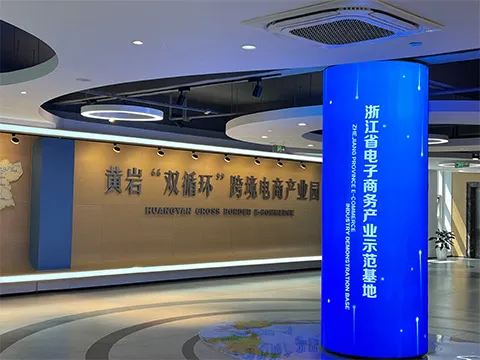
At Huangyan Sourcing, we specialize in precision mold design and sustainable injection solutions.
Our engineering team combines advanced simulation, material expertise, and process optimization to minimize waste and maximize output.
We help global clients develop smarter molds, ensure consistent product quality, and achieve eco-friendly, cost-effective manufacturing—backed by years of professional experience in Huangyan, China’s mold capital.
Summary:
Smart injection mold design reduces waste, energy, and cost—achieving sustainability without compromising quality.