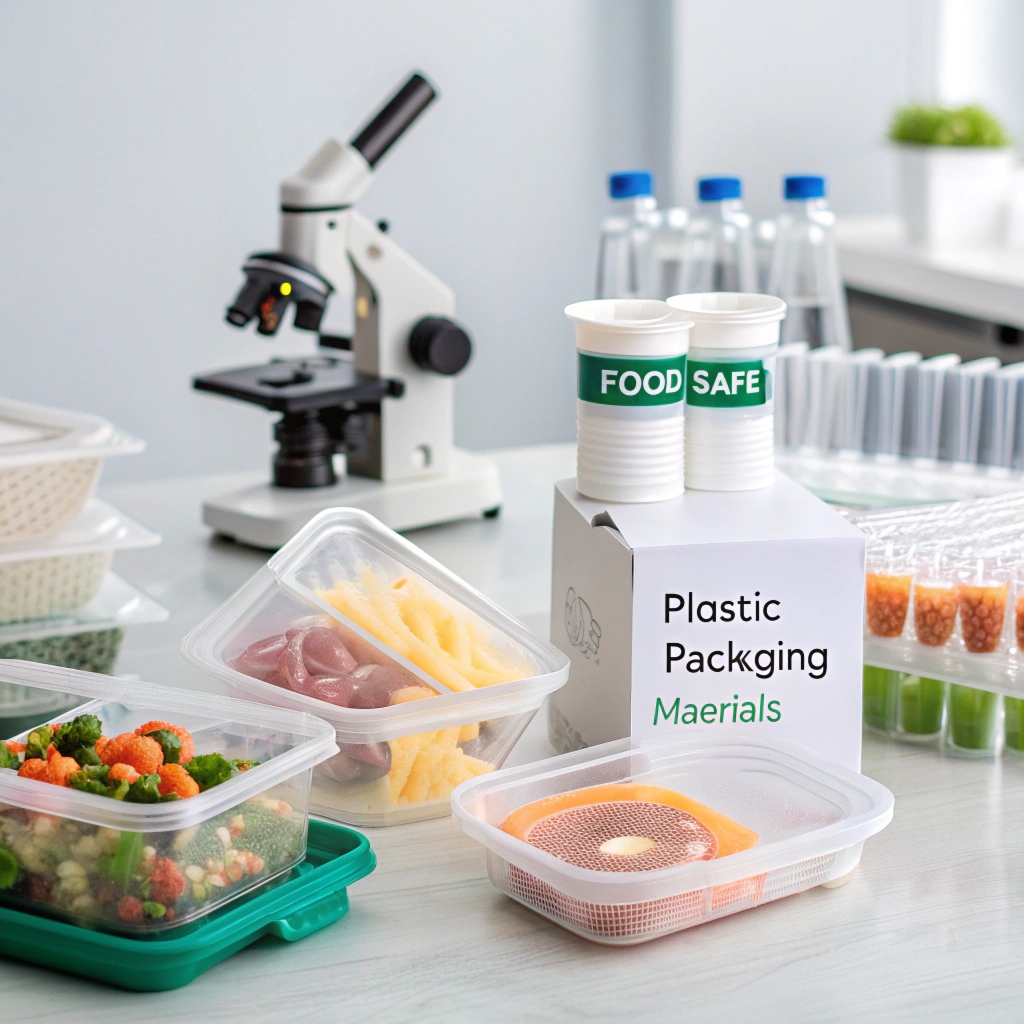
Food packaging often raises safety concerns. Unsafe plastics may release harmful substances, leading to health risks, product recalls, and regulatory penalties. Understanding food-safe plastics provides a reliable solution for compliant and safe packaging decisions.
Food-safe plastics are scientifically engineered materials designed to remain chemically stable during food contact.
They are produced using controlled raw materials, tested for migration limits, and certified to meet global food-contact regulations, ensuring safety, durability, and hygiene throughout use.
Understanding the science behind food-safe plastics helps buyers reduce risk, improve product quality, and make informed sourcing decisions. The following sections explain the key principles in detail.
What Makes a Plastic “Food-Safe” at the Molecular Level?
Food-safe plastics are defined by their polymer structure and chemical stability.
At the molecular level, these plastics consist of long-chain polymers that resist breaking down or reacting when exposed to food, moisture, oils, or temperature changes.
Common food-grade plastics such as polyethylene (PE), polypropylene (PP), and PET are widely used because their molecular bonds remain stable under normal food-contact conditions.
A critical scientific concept is migration resistance.
• Migration refers to the movement of chemical substances from plastic into food
• Excessive migration can create serious health and compliance risks
• Food-safe plastics are engineered to minimize this transfer
This is achieved through:
– High-purity raw materials
– Controlled polymerization processes
– Strict limitations on additives
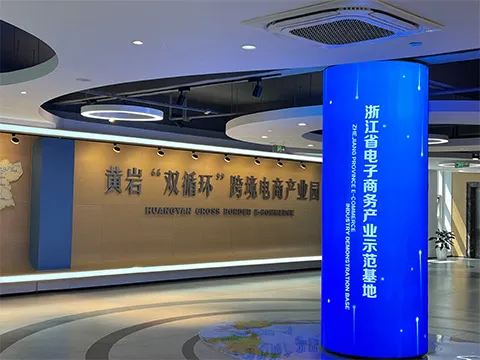
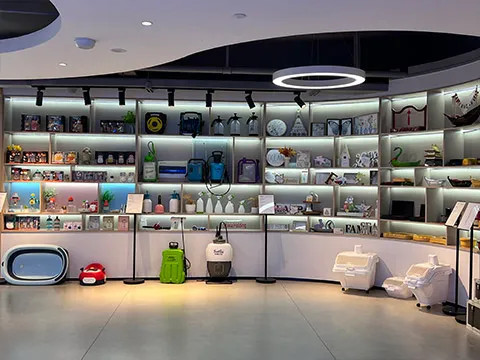
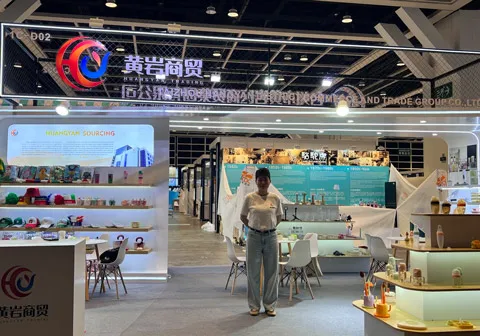
At Huangyan Sourcing, food-contact plastic products start with verified food-grade resin suppliers. Raw materials are selected for consistency, traceability, and regulatory compliance, ensuring plastic boxes, food containers, and customized packaging solutions meet long-term safety requirements in global markets.
How Food-Safe Plastics Are Tested and Certified
Scientific testing is the foundation of food-safe plastic packaging.
Before products reach the market, materials must pass standardized laboratory tests that simulate real-world conditions, including:
• High and low temperature exposure
• Contact with oily or acidic foods
• Long-term storage scenarios
The most critical process is migration testing.
Plastic samples are exposed to food simulants, and laboratories measure whether any chemical substances transfer beyond permitted limits.
Additional tests focus on:
– Mechanical strength and durability
– Impact resistance during transportation
– Thermal stability in daily use
Huangyan Sourcing cooperates with qualified manufacturers following international food-contact testing standards. From custom injection-molded food containers to large-scale plastic packaging production, strict quality control ensures compliance with FDA, EU, and other regional regulations, significantly reducing buyer risk.
The Role of Additives in Food-Safe Plastic Packaging
Additives improve plastic performance, but in food-safe applications they must be carefully selected and strictly controlled.
Approved additives are used to:
• Improve heat resistance
• Prevent oxidation and material degradation
• Ensure stable and consistent molding
However, every additive must be evaluated for:
– Toxicity
– Volatility
– Migration behavior
For example, a plastic lunch box must remain rigid, lightweight, and durable, while also being chemically inert when exposed to hot or cold food. Achieving this balance requires scientific formulation and manufacturing expertise.
Huangyan Sourcing emphasizes material transparency and formulation control, especially for customized food packaging projects, ensuring performance, appearance, and food safety standards are fully aligned.
Why Manufacturing Processes Matter for Food Safety
Even certified food-grade materials can become unsafe if manufacturing processes are poorly controlled.
Key risks include:
• Cross-contamination with non-food plastics
• Incorrect processing temperatures
• Improper use of recycled materials
Food-safe plastic manufacturing requires:
– Clean production environments
– Dedicated equipment for food-contact products
– Standardized operating procedures
Injection molding and blow molding lines must be clearly separated from industrial plastic production. Equipment cleaning, mold maintenance, and batch control directly affect product safety and consistency.
Huangyan Sourcing applies strict sourcing and quality management standards, ensuring every production stage—from mold development to mass production—meets food-contact requirements.
How Food-Safe Plastics Support Sustainability Goals
Modern food-safe plastics increasingly support sustainability without sacrificing safety.
Scientific advancements allow for:
• Thinner wall designs
• Reduced material usage
• Improved recyclability
Materials such as PP and PET are widely recyclable and suitable for food-contact applications when processed correctly.
Today, life-cycle efficiency is a key packaging consideration. Reducing material consumption, extending product lifespan, and supporting recycling all help lower environmental impact while maintaining strict food safety compliance.
Huangyan Sourcing helps clients achieve a balance between food safety, cost efficiency, and sustainability through optimized material selection and mold design.
Why Choosing the Right Supplier Is Critical
Food-safe plastic packaging requires system-level reliability, not just compliant materials.
A qualified supplier must understand:
• Polymer science
• Food-contact regulations
• Tooling and mold precision
• Quality management systems
Poor supplier selection can lead to inconsistent quality, certification delays, or costly recalls.
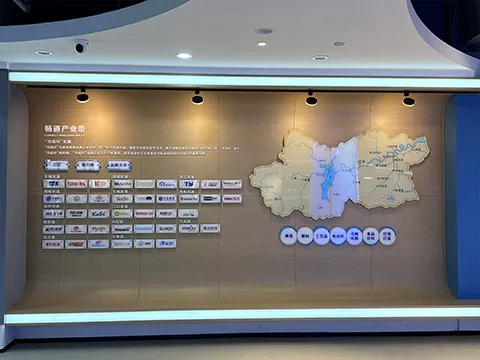
With extensive experience in plastic packaging sourcing, Huangyan Sourcing acts as a reliable partner connecting international buyers with trusted manufacturers in China. Its focus on food-safe materials, transparent processes, and customized solutions helps brands enter global markets with confidence.
Food-safe plastics rely on stable polymer chemistry, controlled additives, strict testing, and disciplined manufacturing to ensure consumer safety, regulatory compliance, and long-term packaging reliability.