Modern production demands precision and cost-efficiency. Without a reliable molding process, manufacturers face high defect rates, material waste, and inconsistent part quality. Plastic injection moulding offers the consistency and scalability needed to overcome these challenges.
Plastic injection moulding is a manufacturing process that melts thermoplastic polymers and injects them into metal moulds to form complex shapes. It provides high accuracy, repeatability, and minimal waste, making it ideal for mass-producing parts in automotive, medical, packaging, and consumer industries.
This article explores why plastic injection moulding remains the preferred choice across industries.
1. Cost Efficiency and High Productivity
Plastic injection moulding is renowned for its exceptional production speed. Once the mould is made, each cycle—from injection to ejection—takes only seconds. This enables mass production of thousands of identical components daily, reducing labor costs and downtime.
Although the initial mould creation requires investment, the long-term savings are significant. The more pieces produced, the lower the cost per part. Manufacturers can also reuse moulds for years, further optimizing ROI. Combined with automated injection systems, plastic moulding minimizes human error, ensuring consistent and efficient output.
2. Superior Precision and Consistency
Modern moulding machines, equipped with CNC control systems and advanced temperature regulation, achieve tolerances as tight as ±0.01 mm. Such precision ensures each part fits perfectly with minimal post-processing.
Consistency is another hallmark. Whether producing 100 or 100,000 parts, injection moulding maintains uniform dimensions and flawless appearance. This reliability is vital for industries like automotive and electronics, where component alignment affects performance and safety. With CAD/CAM software integration, manufacturers can simulate material flow and optimize designs before production even starts.
3. Wide Material and Design Flexibility
One major advantage of injection moulding is its compatibility with a broad range of thermoplastics, including ABS, PP, PE, nylon, and polycarbonate. This allows engineers to choose materials based on specific needs—impact resistance, heat tolerance, or transparency.
Design flexibility is equally valuable. Complex shapes, thin walls, textured surfaces, and embedded inserts can all be achieved in a single process. The ability to form intricate geometries without secondary assembly shortens production time and enhances overall product integrity.
4. Strength, Durability, and Reduced Waste
Despite being lightweight, injection-moulded components deliver excellent mechanical strength. Fiber reinforcement techniques can further enhance rigidity without adding weight.
The process also promotes material efficiency—using just the right amount for each part and producing minimal scrap. Any leftover runners and sprues are often recycled back into the system. This aligns perfectly with modern eco-friendly manufacturing standards, helping companies meet sustainability goals while reducing material costs.
5. Scalability for Mass Production
Injection moulding scales effortlessly from prototype development to full-scale production. Once a mould is validated, production can expand rapidly without compromising quality.
For global brands requiring millions of identical products, scalability ensures consistent branding, shorter lead times, and stable supply chains. This makes injection moulding a core process for companies competing in global markets.
6. Applications Across Industries
Plastic injection moulding is essential in countless industries:
- Automotive: dashboards, clips, and housings
- Medical: sterile syringes, casings, and precision components
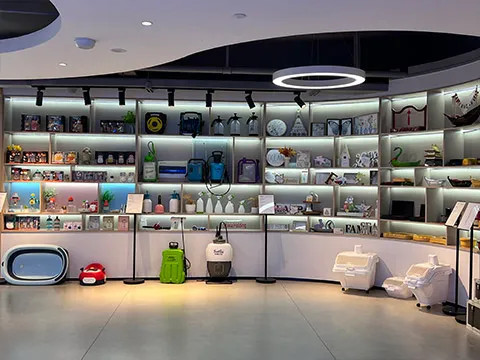
- Consumer goods: toothbrushes, kitchenware, and phone accessories
- Electronics: housings, connectors, and enclosures
- Packaging: containers, caps, and customized designs
Its adaptability to multiple sectors proves why it remains the most versatile and dependable manufacturing technology worldwide.
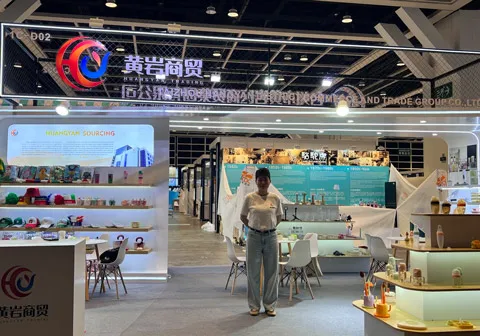
7. Why Choose Huangyan Sourcing for Plastic Injection Moulding?
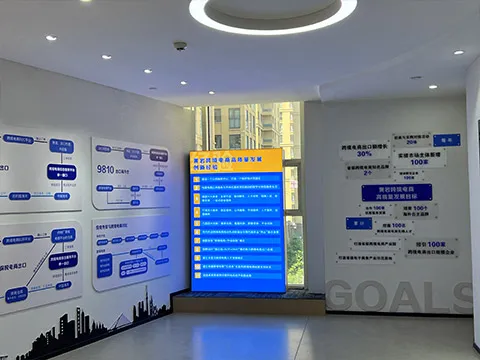
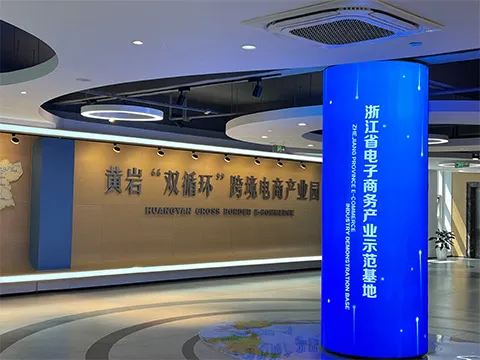
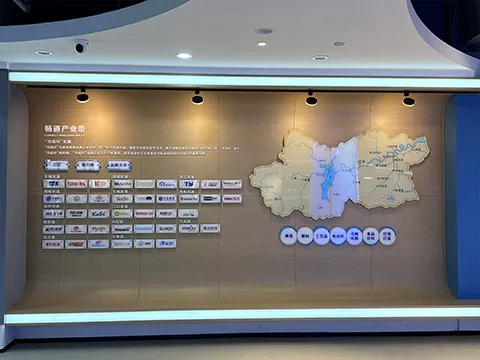
Huangyan Sourcing, located in Taizhou Huangyan—China’s Mold Capital, provides comprehensive plastic injection moulding services from mould design to final production.
Our strengths include:
- ✅ Professional Engineering Team: Decades of experience in precision automotive, household, and packaging moulds.
- ✅ End-to-End Solutions: From 3D design and mould fabrication to injection production and packaging.
- ✅ Strict Quality Control: Every mould undergoes detailed inspection and testing before shipment.
- ✅ Global Supply Capability: Reliable material sourcing and competitive pricing through our strong supplier network.
- ✅ Timely Delivery & After-Sales Support: Fast communication, transparent cost evaluation, and lifelong technical assistance.
We are committed to delivering durability, precision, and long-term value for every project. Visit huangyan.linkerr.cn to discuss your next moulding solution today.
Plastic injection moulding delivers speed, accuracy, and efficiency—ideal for every modern manufacturing need.
✅ Summary
Plastic injection moulding ensures precision, scalability, and sustainability—making it the best solution for global manufacturers.