Designing plastic products without a clear process leads to wasted resources, poor functionality, and product failures. Following proven design steps ensures efficiency, durability, and customer satisfaction.
The basic steps in designing plastic products include defining product requirements, selecting suitable materials, creating detailed CAD models, prototyping, testing for functionality and durability, and refining the design before final manufacturing. This systematic process reduces costs, improves product quality, and ensures regulatory compliance across industries ranging from packaging to automotive and medical applications.
To master plastic product design, understanding each step in detail is crucial for long-term success.
Step 1: Define Product Requirements
The first stage in designing plastic products begins with identifying clear product requirements. Designers and engineers must understand the intended use, performance expectations, and target market. For example, a plastic bottle used in the food industry must meet safety standards, resist specific temperatures, and remain lightweight. Failure to define requirements early often results in costly redesigns. Considerations include dimensions, mechanical strength, weight limits, and compliance with industry regulations. At this stage, collaboration with clients and stakeholders is essential to translate functional needs into measurable design goals. This step establishes the foundation upon which every subsequent phase relies.
Step 2: Select the Right Plastic Material
Material selection is one of the most critical decisions. The choice depends on strength, flexibility, resistance to chemicals, thermal stability, and cost. Common plastics like polyethylene (PE), polypropylene (PP), and polycarbonate (PC) serve different roles. For example, PP is widely used for packaging because it is lightweight, durable, and resistant to moisture. Conversely, PC is often chosen for optical lenses due to its clarity and strength. Designers must also consider sustainability, such as whether to use recycled or biodegradable plastics. Choosing the wrong material can compromise product performance and market competitiveness. Thus, thorough evaluation is essential.
Step 3: Create CAD Models and Initial Designs
With requirements and materials defined, the next step is computer-aided design (CAD). Using 3D modeling software, designers create digital representations of the product. CAD allows detailed visualization, accurate measurements, and easy modification. At this stage, engineers analyze the feasibility of manufacturing, identifying potential weak points or challenges such as thin walls or stress points. Simulation tools can predict behavior under different conditions, such as load, impact, or temperature variations. This step reduces errors during later phases by addressing issues in a virtual environment. CAD also serves as the blueprint for prototyping and production.
Step 4: Develop Prototypes
Prototyping transforms digital models into physical samples. Rapid prototyping methods, such as 3D printing or CNC machining, allow for quick evaluation of form and function. Prototypes help test ergonomics, assembly fit, and user interaction. For example, a medical device prototype may reveal handling issues that are not obvious in a CAD model. Early prototypes are often created from less expensive materials to minimize costs. By validating the design physically, companies can make improvements before committing to expensive molds and tooling. This iterative process ensures that the final product aligns with expectations.
Step 5: Conduct Testing and Evaluation
Testing is vital for ensuring product reliability. Depending on the application, tests may include mechanical strength, impact resistance, thermal stability, and chemical compatibility. In industries such as automotive or aerospace, safety standards are strict, requiring extensive validation. Testing not only identifies weaknesses but also confirms compliance with international regulations. For consumer products, usability tests can reveal insights into customer preferences. Continuous evaluation ensures that the product meets quality standards while minimizing risks of recalls or failures. This stage builds confidence among manufacturers and end users alike, making it a cornerstone of the design process.
Step 6: Refine and Prepare for Manufacturing
After testing, adjustments are made to improve design and performance. Refinement may involve altering wall thickness, improving ergonomics, or changing materials. Once optimized, the design is prepared for mass production. This includes finalizing injection molds, establishing manufacturing tolerances, and setting up quality control systems. Documentation at this stage ensures consistent production runs. Collaboration with suppliers is critical to secure material availability and maintain cost efficiency. Preparing for manufacturing marks the transition from concept to reality, where efficiency, repeatability, and scalability define success.
Step 7: Ongoing Monitoring and Improvement
Even after production begins, continuous monitoring is necessary. Feedback from customers and production lines can highlight new areas for improvement. For instance, unexpected wear in certain components may require material upgrades. Implementing a feedback loop allows companies to enhance product life cycles and maintain competitiveness. This iterative improvement process ensures that plastic products remain relevant and reliable in evolving markets.
Company Introduction
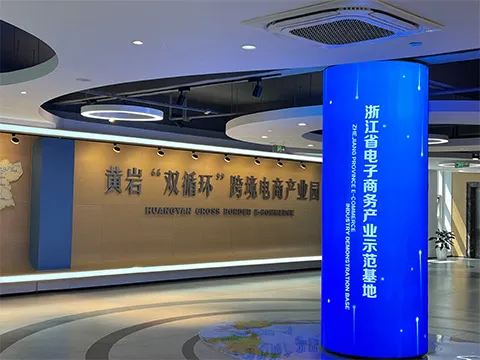
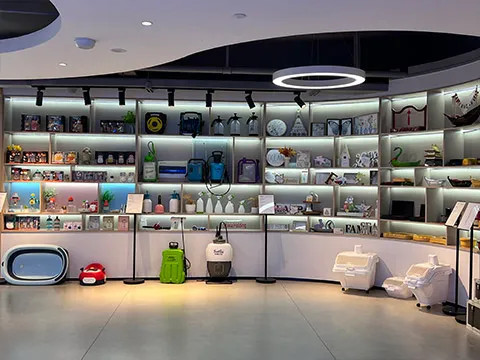
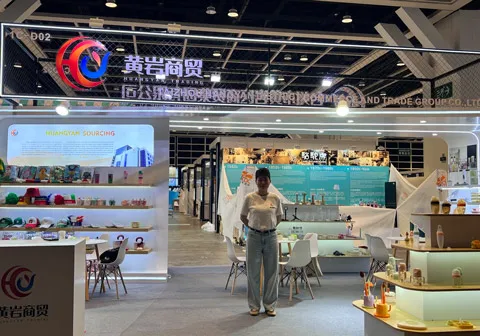
At Huangyan Sourcing, we specialize in helping global buyers streamline plastic product design, prototyping, and sourcing from China. With expertise in material selection, mold manufacturing, and quality assurance, we ensure cost-effective, high-quality results for packaging, automotive, medical, and consumer industries. Our team bridges design innovation with reliable supply chain solutions, making us a trusted partner for international customers.
Summary
Designing plastic products requires clear steps, from requirements and material selection to testing, refinement, and reliable manufacturing.